
Puzzle English: How the Flipped-Classroom Method Actually Teaches You to Speak
Homework first, live class second — a plain look at how Puzzle English's method, levels and lessons actually work.
Homework first, live class second — a plain look at how Puzzle English's method, levels and lessons actually work.
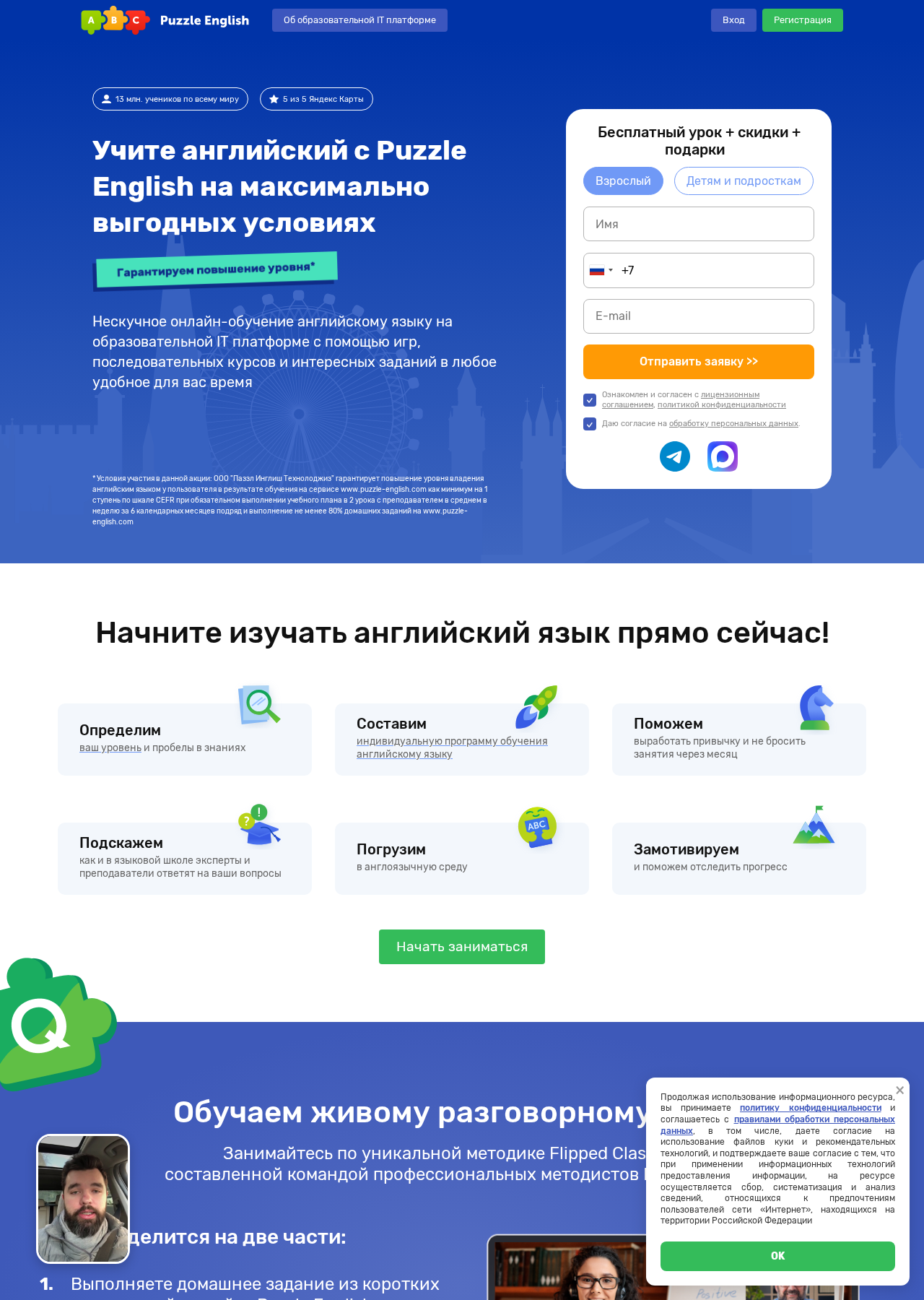
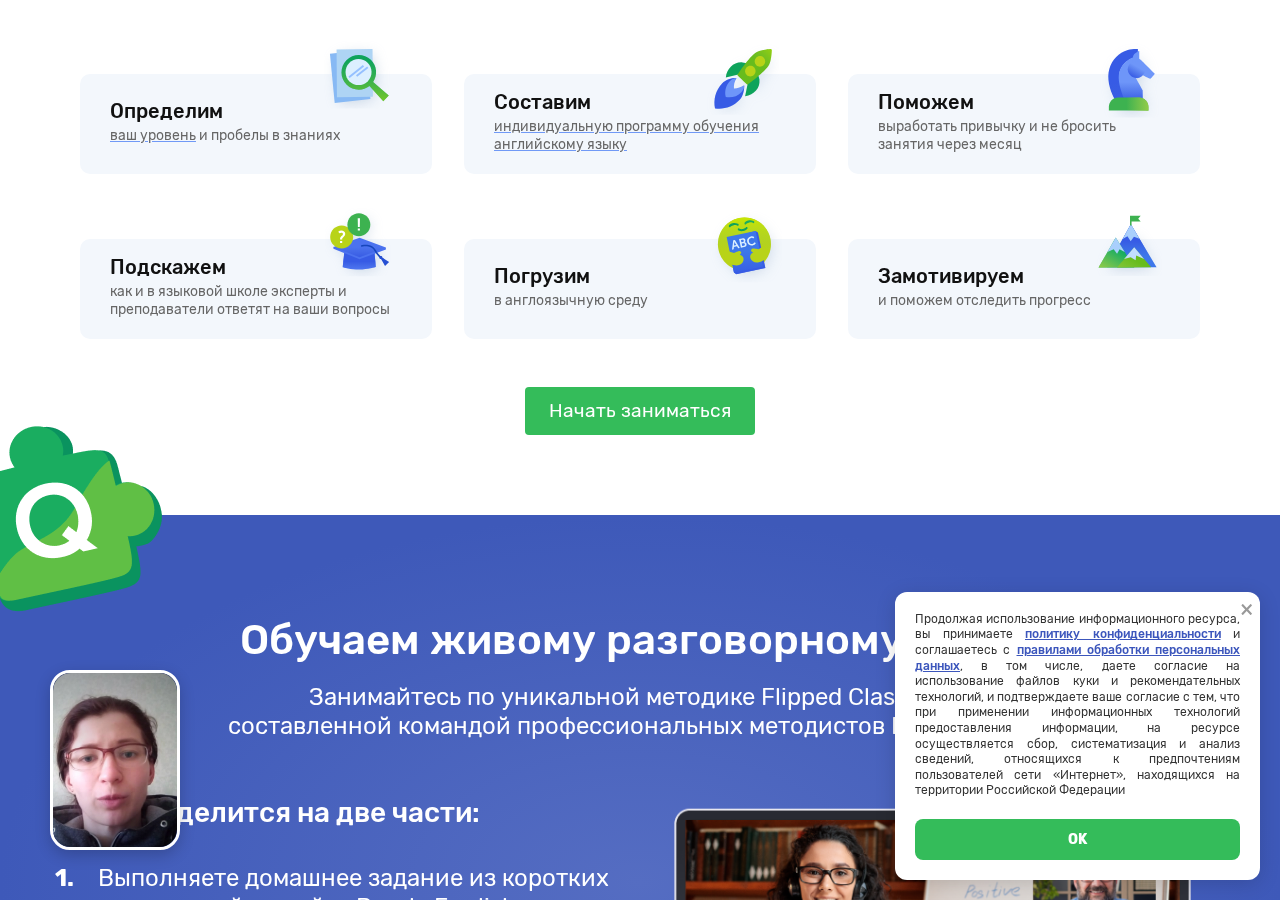
Puzzle English is one of the longest-running online English schools in the Russian-speaking market, and its landing page tells you the promise up front: 'We teach living conversational English.' Instead of the classic textbook grind, it packages the learning journey into short daily exercises, video puzzles, a mobile app and — for paid tiers — live 1-on-1 lessons with a personal tutor. Six coloured tiles across the homepage describe the loop: we determine your level, build a personalised study plan, help you build a habit, answer your questions like a real teacher would, immerse you in an English environment and keep you motivated. That six-step loop is not marketing fluff — it's literally the order in which the product hands you the next screen, from the placement test through the first paid lesson.
Puzzle English's core method is called Flipped Classroom, and it flips the order most schools use. Instead of sitting through a live lesson and then going home to do practice, you do the practice first — short homework tasks, video-with-subtitle puzzles, listening drills, vocab flashcards — and only then jump into the live class with your tutor. The live hour becomes a debug session: you already know the grammar rule and the vocabulary, so the teacher spends the full time drilling you on saying it out loud, correcting your accent, and closing the specific gaps the homework exposed. It's the same reason real language schools abroad work faster than a textbook: talking is what actually builds fluency, and the method makes sure you spend the paid hour talking, not listening.
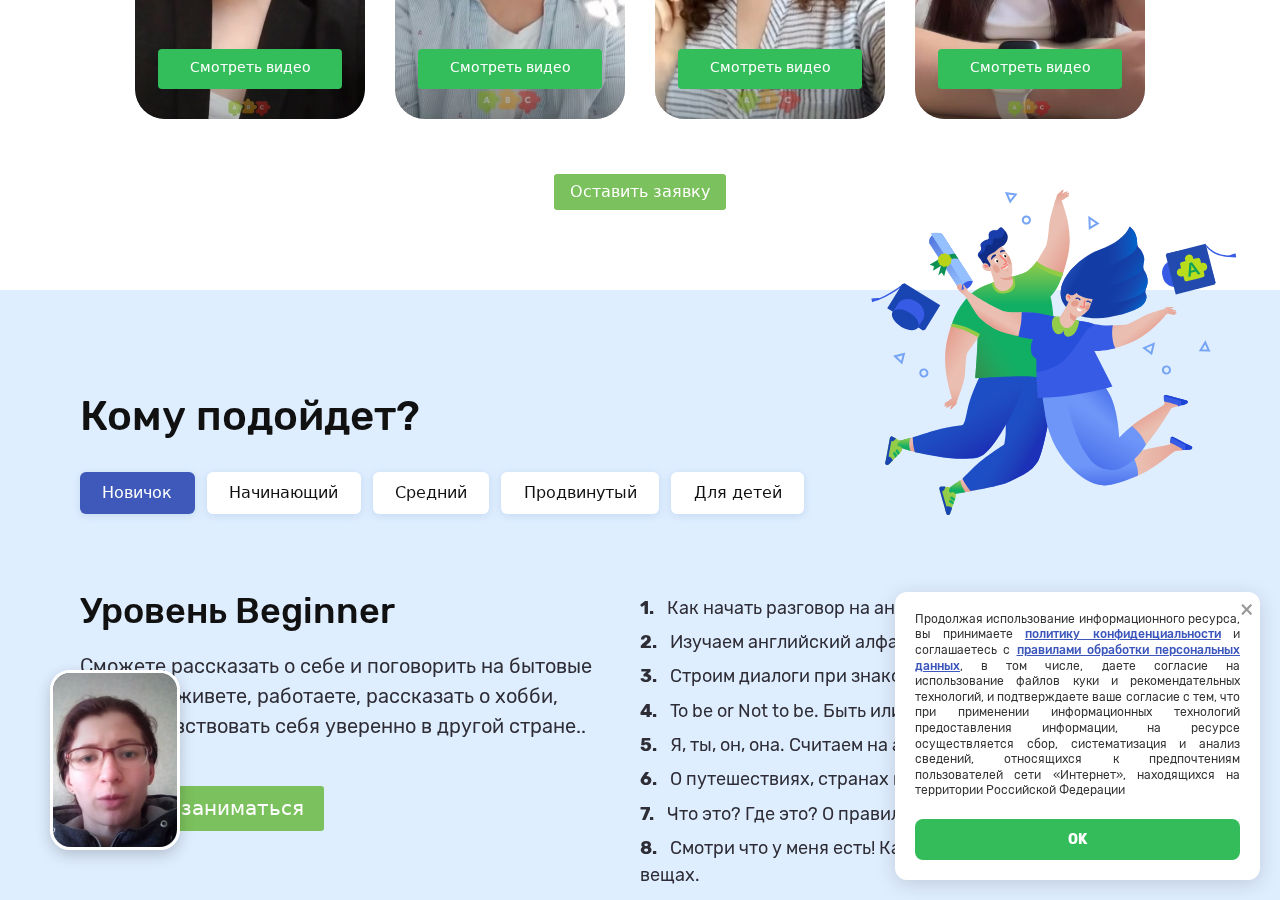
The first screen you see after registering is a short placement test that maps you onto the CEFR ladder — A1 Beginner, A2 Elementary, B1 Intermediate, B2 Upper-Intermediate, C1 Advanced — and your entire personalised plan is generated from that result. Each level has its own set of daily exercises, video lessons and speaking tasks, and the plan slides you into the next level only when your homework scores and speaking recordings say you're ready, not on a fixed calendar. If you already know the drill and want to jump straight to speaking, you can skip the self-study track and book a live tutor from day one. Either way you can see the exact skills you've unlocked and the ones still pending, which is what keeps most learners actually coming back — the plan tells you what to do in the next 15 minutes, so you don't need to invent a study schedule from scratch.
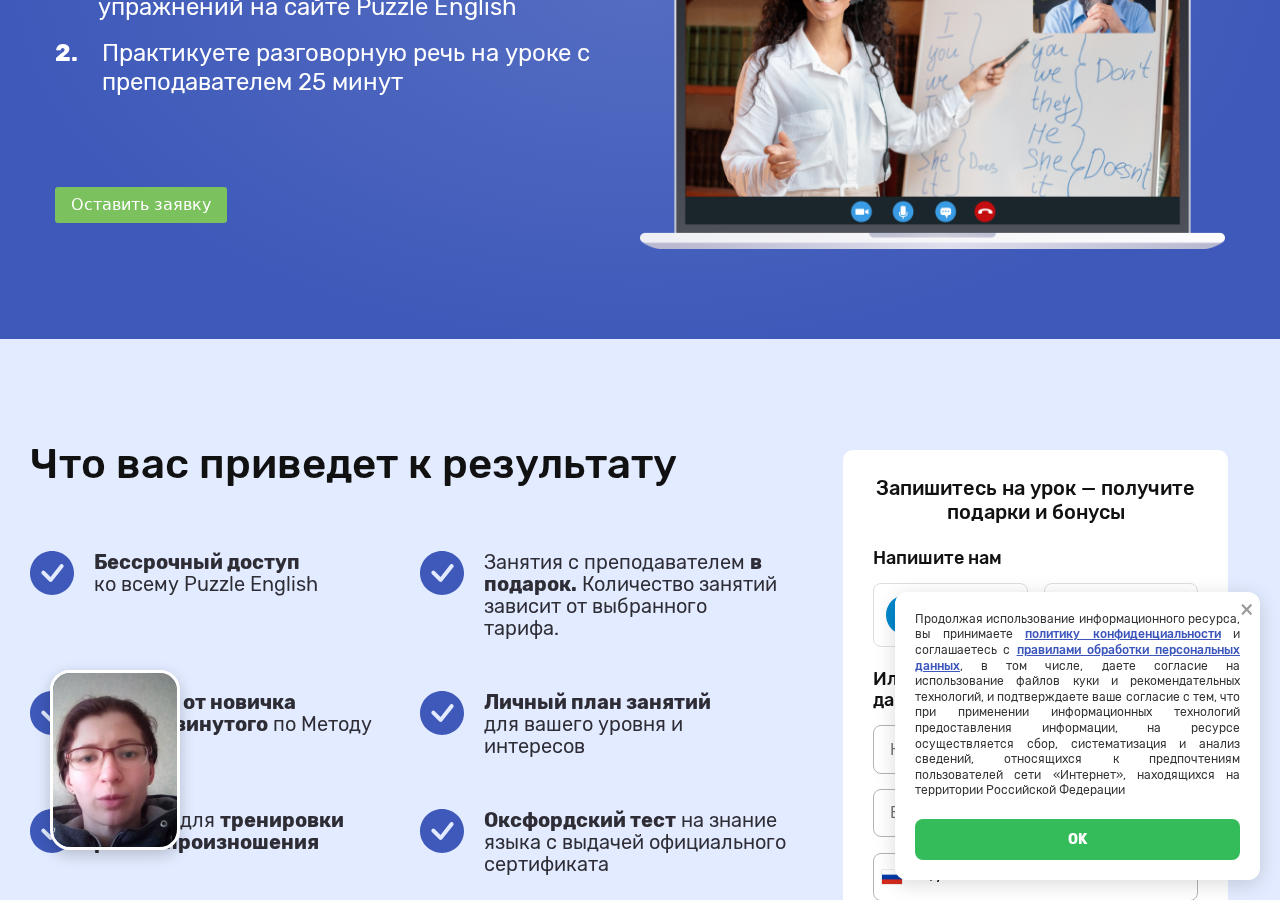
Create the free account, take the 5-minute placement test honestly (guessing higher than you are gets you a plan you can't finish), then commit to one thing only for seven days: the daily 15-minute homework block. Don't upgrade to the paid tutor plan yet — use the first week to prove to yourself you'll actually open the app on days 3, 5 and 7. If you did, upgrade and book two live lessons a week; if you didn't, save your money. Beyond that, the small tricks that pay off are turning on push notifications for the daily reminder, letting the app pick your video puzzles (its picks are calibrated to your level and mistakes), and re-doing yesterday's speaking task once a week so your ear actually catches your own accent. That's the whole setup — nothing fancy, but consistent.
Free trial available. Course length, price and tutor availability set by Puzzle English.